 By
By 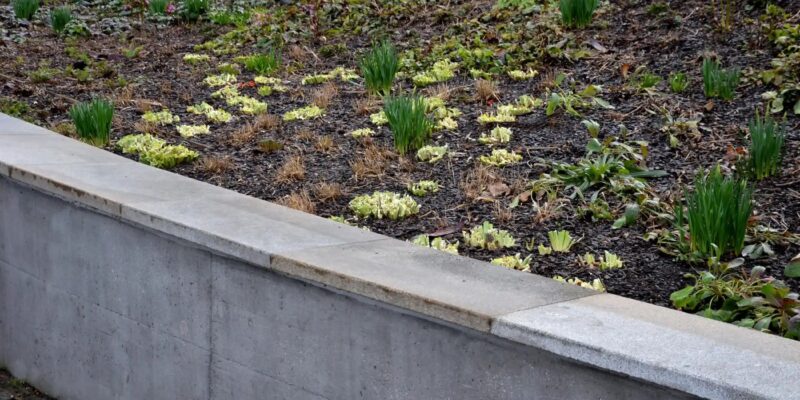
A retaining wall is more than a landscape feature. For many homes, it is a structural solution that helps manage slopes, control soil movement, improve drainage, and create safer, more usable outdoor space. When built correctly, a concrete retaining wall can also add long-term value by protecting driveways, patios, walkways, gardens, and foundations from erosion-related damage.
For homeowners, the biggest questions usually come down to three things: How much will it cost? How long will it last? And what does installation involve? This guide explains the key details in practical terms so you can make a confident decision before starting your project.
What Is a Concrete Retaining Wall?
A concrete retaining wall is designed to hold back soil and stabilize areas where the ground changes elevation. You may see one along a driveway, behind a patio, around a garden bed, near a basement walkout, or at the edge of a sloped yard.
Unlike decorative garden edging, a retaining wall must be built to handle pressure from soil, water, frost, and changing weather conditions. That is why proper design, drainage, reinforcement, and installation matter just as much as the concrete itself.
Homeowners often choose concrete because it is strong, versatile, and suitable for both residential and commercial properties. It can be poured in place, built with concrete blocks, or designed with finishes that complement the exterior of the home.
How Much Does a Concrete Retaining Wall Cost?
The cost of a retaining wall depends on the size, height, material type, site conditions, drainage needs, and whether engineering or permits are required. As a broad national reference, retaining wall projects often fall around $20 to $60 per square foot, with concrete block walls commonly estimated near the middle of that range. Larger, taller, or more complex walls can cost more because they require additional labor, excavation, reinforcement, and drainage work.
The most important cost factors include:
Wall Height and Length
A short wall used for a garden bed will cost far less than a tall wall supporting a driveway, patio, or steep slope. Height is especially important because taller walls hold back more soil pressure and may require stronger footings, reinforcement, drainage, and professional engineering.
Soil and Slope Conditions
Loose soil, clay-heavy soil, steep grades, or areas with poor drainage can increase installation complexity. If the site needs major grading, excavation, or soil correction, the total project cost may rise.
Drainage Requirements
Drainage is one of the most important parts of retaining wall construction. Without proper drainage, water can build up behind the wall and create pressure that leads to cracking, leaning, or failure. Gravel backfill, weep holes, drainage pipe, and waterproofing may be needed depending on the project.
Access to the Work Area
If equipment and materials can easily reach the installation area, labor may be more efficient. Tight backyards, narrow side yards, steep slopes, fences, landscaping, or nearby structures can make the job more time-consuming.
Finish and Design
A basic structural wall is usually more affordable than a wall with decorative finishes, curves, steps, lighting, caps, or integrated landscaping features. However, the right finish can improve curb appeal and help the wall blend naturally with your property.
How Long Does a Concrete Retaining Wall Last?
A properly built concrete retaining wall can last for decades. Many poured or reinforced concrete walls are expected to last 50 years or more, especially when they are designed correctly and protected from drainage problems. Concrete block systems may also last several decades, depending on material quality, installation, soil pressure, climate, and maintenance.
The lifespan of the wall depends heavily on the details behind the finished surface. A strong-looking wall can still fail early if it lacks proper drainage, has an undersized footing, or is not designed for the pressure it needs to resist.
Signs You May Need a Retaining Wall
A retaining wall may be a smart investment if you notice any of these issues around your property:
- Soil washing away after heavy rain
- A sloped yard that is difficult to use
- Cracks or movement near an existing wall
- Water pooling near patios, driveways, or foundations
- Landscaping beds sliding downhill
- Uneven ground near walkways or outdoor living areas
- Erosion around a driveway or property edge
If the wall will support a large slope, driveway, structure, or significant grade change, it is best to have the site evaluated before choosing a design.
What to Expect During Installation
Most retaining wall projects follow a clear process. While every property is different, homeowners can usually expect these steps:
1. Site Evaluation
A contractor reviews the slope, soil, drainage, access, and nearby structures. This helps determine the right wall type, height, thickness, reinforcement, and drainage method.
2. Planning and Layout
The wall location is marked, measurements are taken, and the design is finalized. For taller or more complex walls, engineering or local approvals may be required.
3. Excavation
The installation area is excavated to create space for the footing, base material, drainage system, and wall structure. Proper excavation helps create a stable foundation.
4. Base and Footing Preparation
A retaining wall needs a reliable base. Depending on the design, this may include compacted stone, a concrete footing, reinforcement, or other structural support.
5. Wall Construction
The wall is poured, formed, or assembled according to the chosen system. Reinforcement may be added to improve strength and stability.
6. Drainage Installation
Drainage pipe, clean stone, filter fabric, weep holes, or other drainage components are installed to help move water away from the wall.
7. Backfilling and Finishing
Once the wall is ready, the area behind it is backfilled properly. The surface may then be finished with caps, texture, landscaping, or grading improvements.
Why Drainage Matters So Much
Water is one of the biggest threats to retaining wall performance. When rainwater collects behind the wall, it adds pressure. In colder climates, freeze-thaw cycles can make the problem worse by expanding moisture in the soil.
Good drainage helps reduce pressure and extends the life of the structure. This is why a lower-cost installation that skips drainage can become more expensive later. Repairs, rebuilding, and property damage are often far more costly than doing the job correctly from the start.
Local Considerations for New Jersey Homeowners
In New Jersey, retaining walls must be built with local soil, slope, weather, and property conditions in mind. Homes in established neighborhoods may also have tight access, mature landscaping, older drainage systems, or grading issues that require careful planning.
If you are comparing options for a concrete retaining wall in Bergen County NJ, it is worth working with a contractor who understands residential properties, drainage challenges, and local construction expectations.
Homeowners considering a concrete retaining wall in Essex County NJ should also think about how the wall will connect with driveways, sidewalks, patios, and neighboring property lines. Proper planning can help avoid future water issues and improve the final appearance of the project.
Maintenance Tips for a Longer-Lasting Wall
Concrete is durable, but no retaining wall should be ignored completely. A simple maintenance routine can help you catch small issues before they become major repairs.
Check the wall once or twice a year, especially after heavy storms. Look for cracks, leaning, bulging, clogged drains, soil washout, or water collecting behind the wall. Keep drainage outlets clear, remove weeds or roots that may interfere with the structure, and avoid adding heavy loads near the top of the wall unless it was designed for that pressure.
Small hairline cracks may not always be serious, but widening cracks, movement, or visible separation should be inspected by a professional.
Is a Concrete Retaining Wall Worth It?
For many homeowners, the answer is yes. A well-built retaining wall can protect your property, improve outdoor usability, reduce erosion, and enhance curb appeal. The key is to view the project as a long-term structural investment rather than just a landscaping upgrade.
The best results come from choosing the right design, preparing the site correctly, managing drainage, and hiring a contractor with experience in concrete work. When those pieces come together, a retaining wall can serve your home reliably for decades.
Quick Homeowner Checklist
Before starting your project, ask these questions:
- What problem should the wall solve?
- How tall and long does the wall need to be?
- Is drainage included in the installation plan?
- Will the wall support a driveway, patio, or heavy soil load?
- Are permits or engineering needed?
- What finish will match the home and landscape?
- How accessible is the project area for equipment and materials?
A retaining wall is only as good as its design and installation. Taking time to plan carefully can help you avoid unnecessary repairs and get a finished wall that is strong, attractive, and built for long-term performance.